





INARI MARU
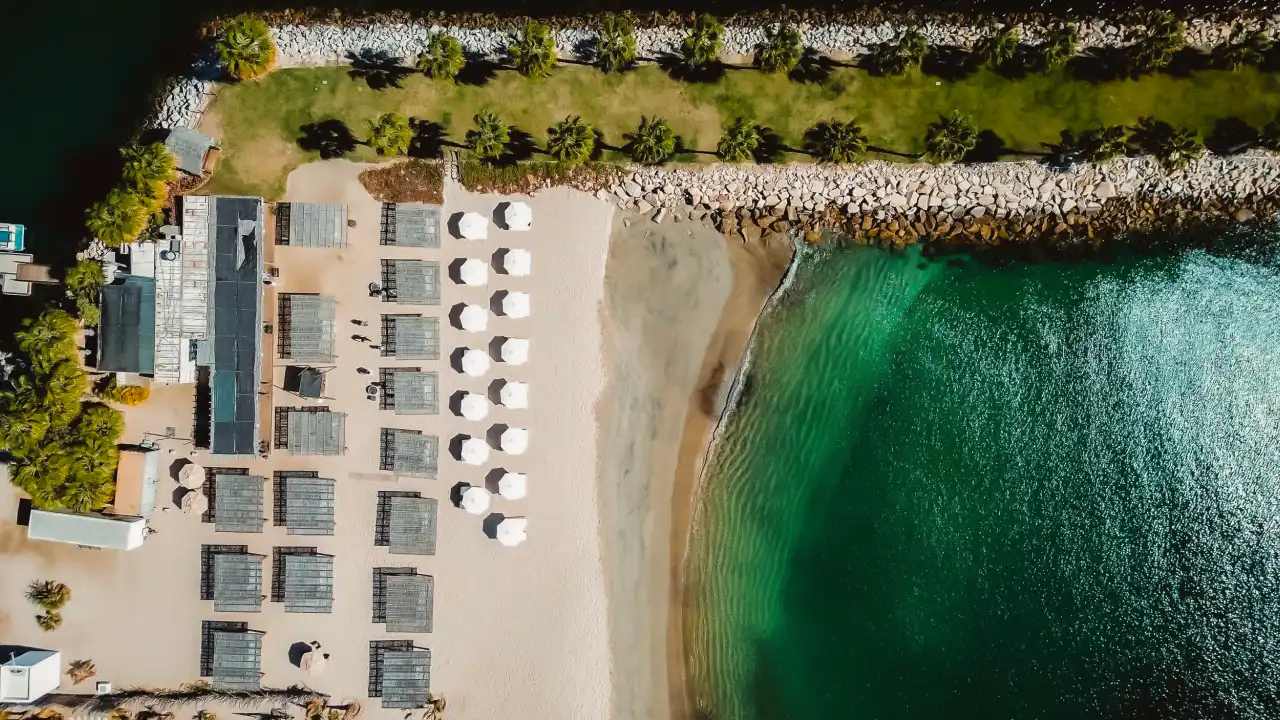
Inari Maru takes its name from the Japanese ship that ran aground on El Zalate beach, Los Cabos, in the 1960s as a result of a storm. Inari Maru brings together multidisciplinary artists and audiences in an effort to recognize the social fabric through new imaginaries of history and of our role as part of the biosphere, the urban environment, and the social context. The program seeks to build tools through artistic methodologies that push the limits of our notion of the coast, expanding our understanding of its territorialities and social dynamics through radical imagination and the interrelation of different species on land and in water, as communities working together.
Within this framework, Inari Maru articulates a research program focused on understanding the landscape and those who form part of it. Through the collaborative work of multidisciplinary artists and diverse audiences, it aims to reconsider the social fabric through new imaginaries and relationships, in relation as well to the understanding of the natural landscape and our role as part of the biosphere, the urban environment, and the social context.
Through audiovisual projects and live arts that foster pedagogical and research platforms expanding into the performative and the communal, Inari Maru explores the possibility of approaching the coastal territory through critical and artistic actions that transcend both the authorship of creators and the operativity of audiences.
In collaboration with the Instituto Sudcaliforniano de Cultura, Baja California Sur; the Chronicler of Los Cabos; the Instituto de Cultura y Artes del Municipio de Los Cabos; private initiatives such as Hotel El Ganzo; two of the most important universities in the state; as well as national and international institutions such as PAC and JUMEX, this project unfolds in a space that has been little studied in Mexico and within its major cultural and artistic institutions.
El objetivo principal de Inari Maru para esta residencia fue dar forma a un archivo (documentos físicos y digitales,
fotografías, publicaciones, diversas piezas, etc.) llamado Amadú Amadá sobre la historia reciente del municipio de Los
Cabos. Se organizaron mesas de trabajo con diversos artistas y agentes locales (Antonio Tercero, Salvador Alveaga, Rosaura
Martínez, Alicia Jatoba, Jeremy Le Guen entre otros), se llevó a cabo una Lunada para compartir historias y un brindis de
inauguración del archivo. Se creo un mural temporal para exhibir parte del archivo, ahora se encuentra en resguardo en El
Ganzo y seguirá nutriéndose a partir de diversas colaboraciones con agentes culturales locales.
Work


Activities
about el ganzo


