





Pedro Reyes
Lina Martinez is a contemporary artist known for her vibrant use of color and innovative techniques.
Meet Pedro Reyes, a Mexico City native born in 1972, who traded architectural blueprints for the boundless world of sculpture. Yet, Pedro isn’t just any sculptor; his creations are stages for theatre, activism, and a touch of psychology.
From the penetrable Capulas sculptures (2002-08) to the politically charged puppetry of Baby Marx (2008) and Manufacturing Mischief (2018), Reyes' work is anything but ordinary. In 2008, he launched 'Palas por Pistolas,' an inspired campaign turning 1,527 voluntarily donated guns into shovels to plant the same number of trees. This blossomed into 'Disarm' (2012), an awe-inspiring project that transformed 6,700 destroyed weapons into musical instruments. 🎶 His 'Sanatorium' (2011) takes the cake—a pop-up clinic blending art with psychology to provide unexpected treatments, catching the eyes of the Guggenheim in NYC and more globally from Documenta 13 in Kassel to Whitechapel Gallery in London. Then there’s pUN (People's United Nations), started in 2013 at the Queens Museum, a mock UN assembly where everyday folks use art, theater, and psychology to tackle global issues, proving that creativity can indeed change the world.
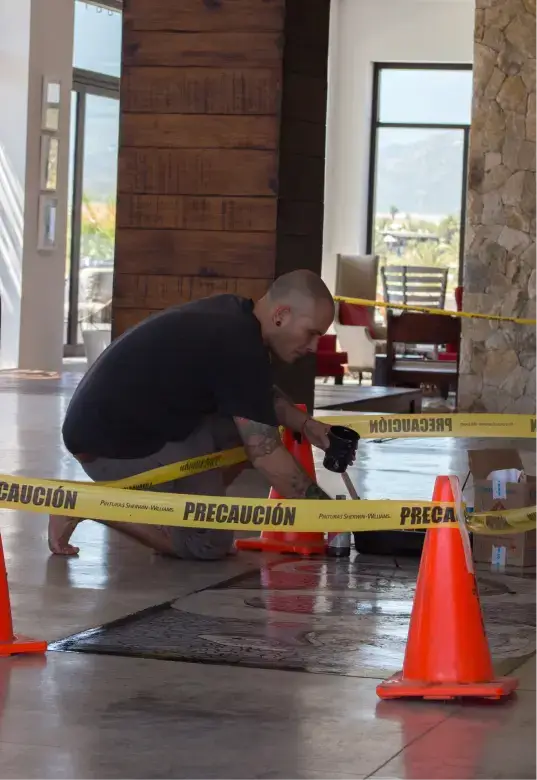
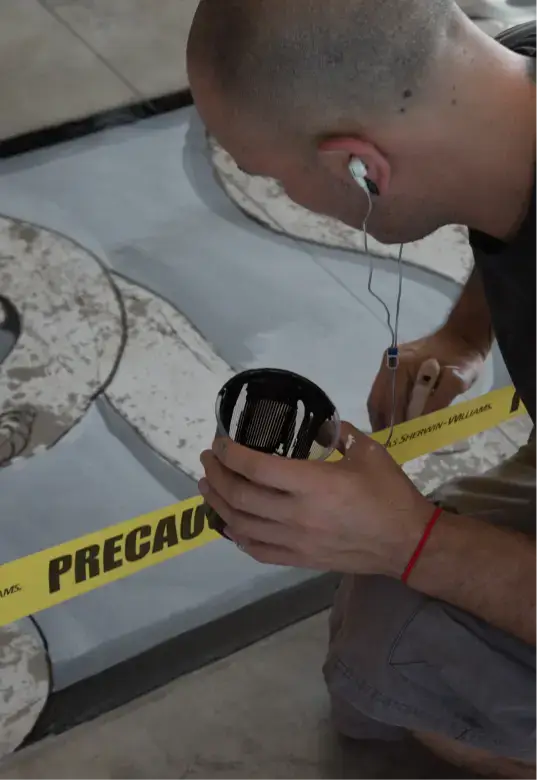
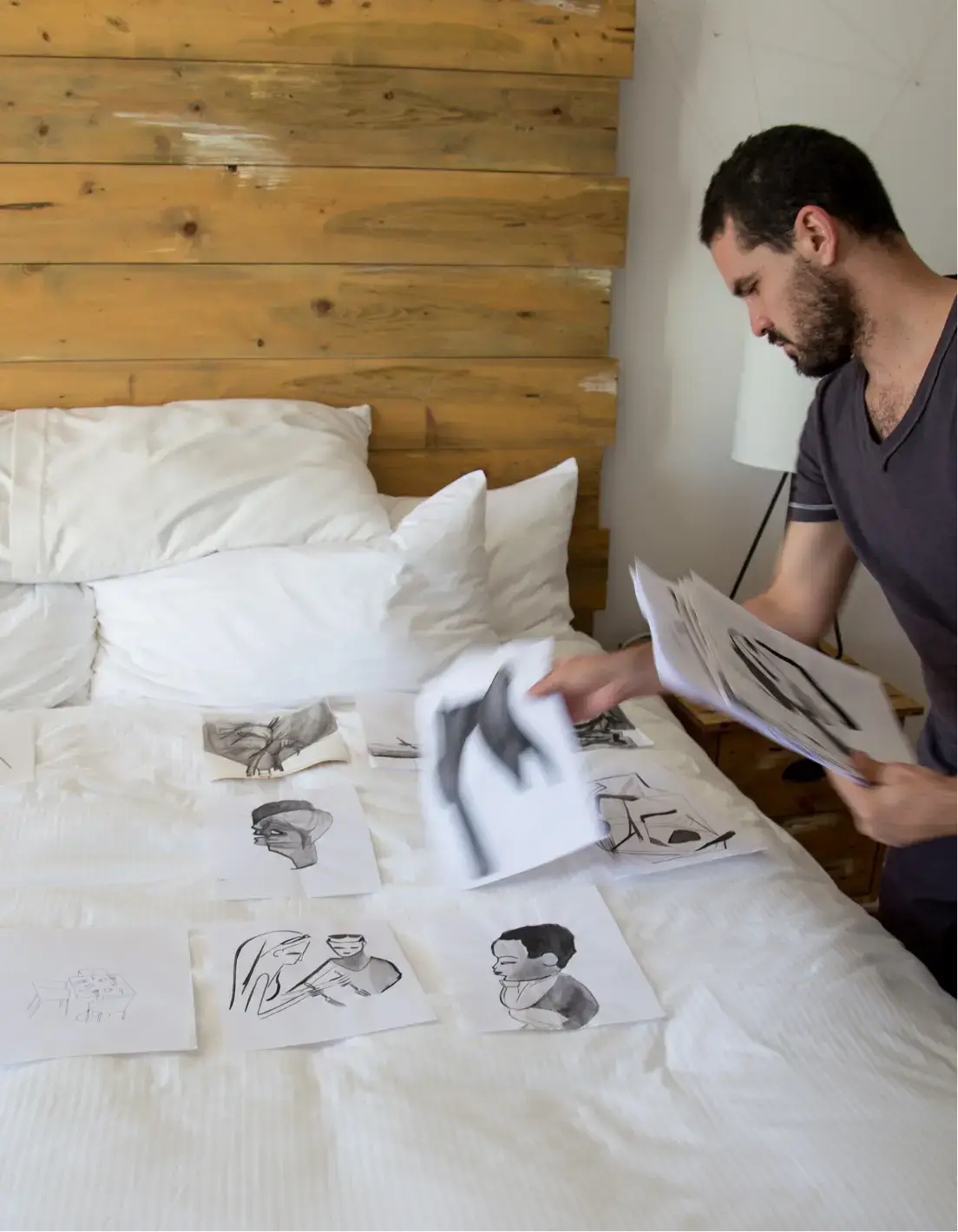
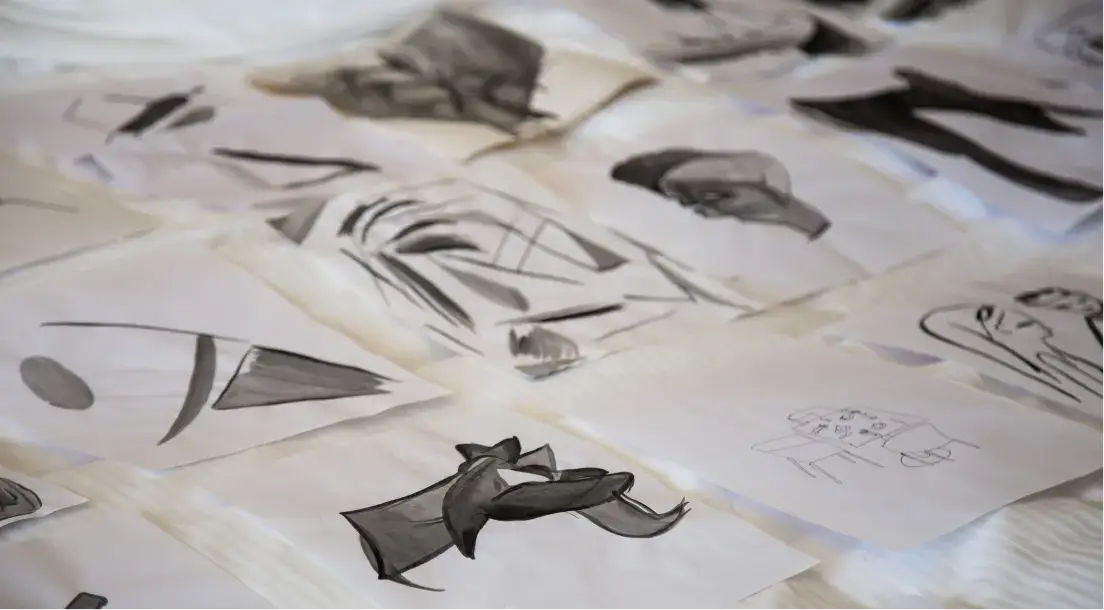
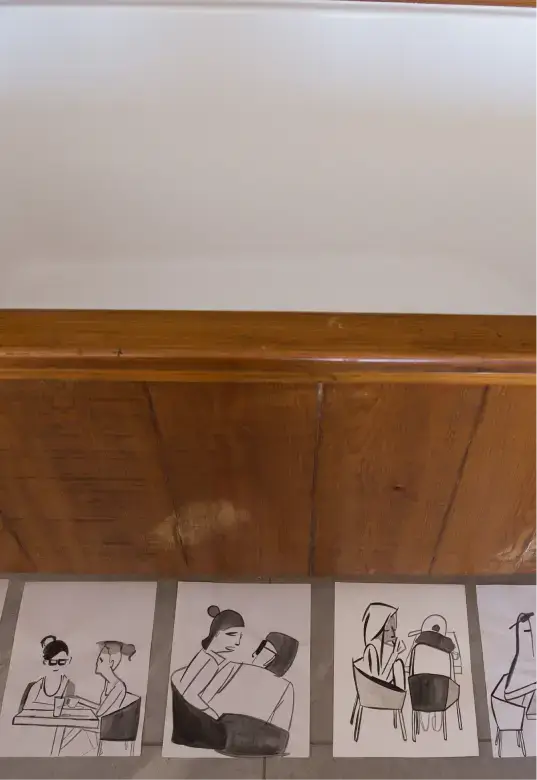
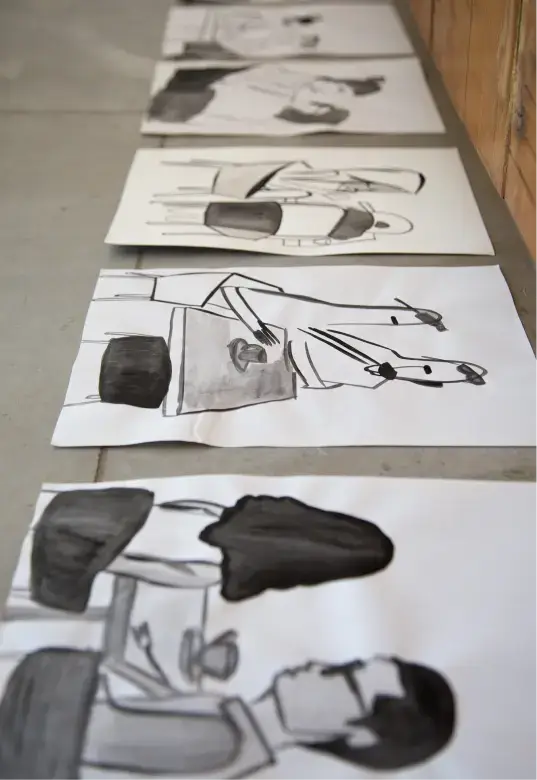
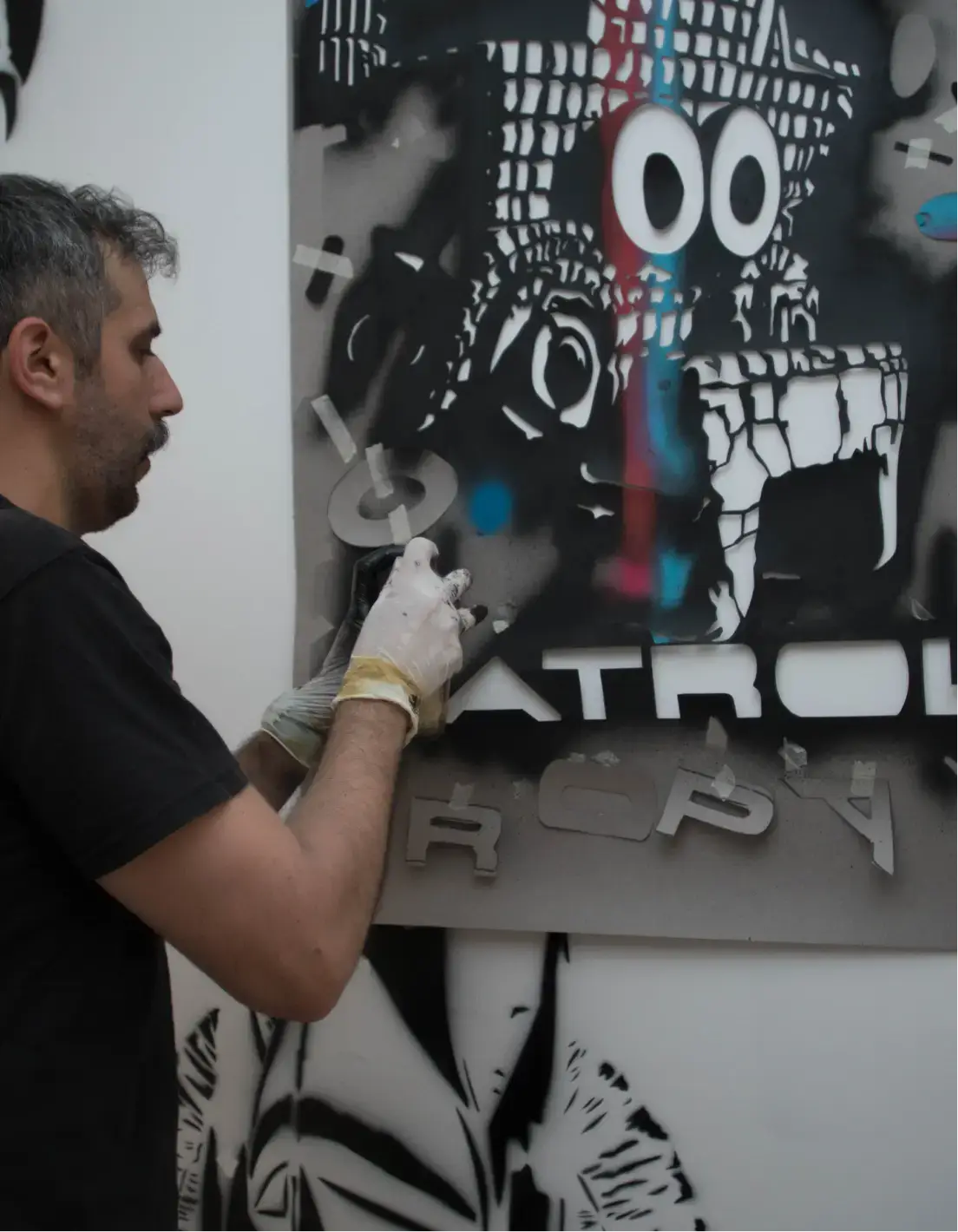
During his residency at El Ganzo, acclaimed artist Pedro Reyes embarked on an intense preparatory phase for an upcoming exhibition in New York, where he planned to showcase 130 drawings. This period at El Ganzo served not only as a creative warm-up but also as a crucial reconnect with his foundational drawing skills—a discipline he had not publicly exhibited despite its long-standing role in his artistic process. The residency at El Ganzo became a pivotal moment for Reyes, allowing him to integrate his deep-seated philosophical engagements with his artistic practice. The walls adorned with sketches acted as a live gallery of his intellectual journey, mapped out through portraits that captured both the essence of the figures and Reyes's evolving artistic technique. This period was not only a testament to his preparation for a significant professional milestone but also a demonstration of how art and philosophy intertwine to create impactful, thoughtful visual narratives. Pedro Reyes’s residency at El Ganzo underscores the unique intersection of art, personal development, and intellectual exploration, highlighting the artist’s commitment to using visual art as a medium for profound personal and societal reflection.
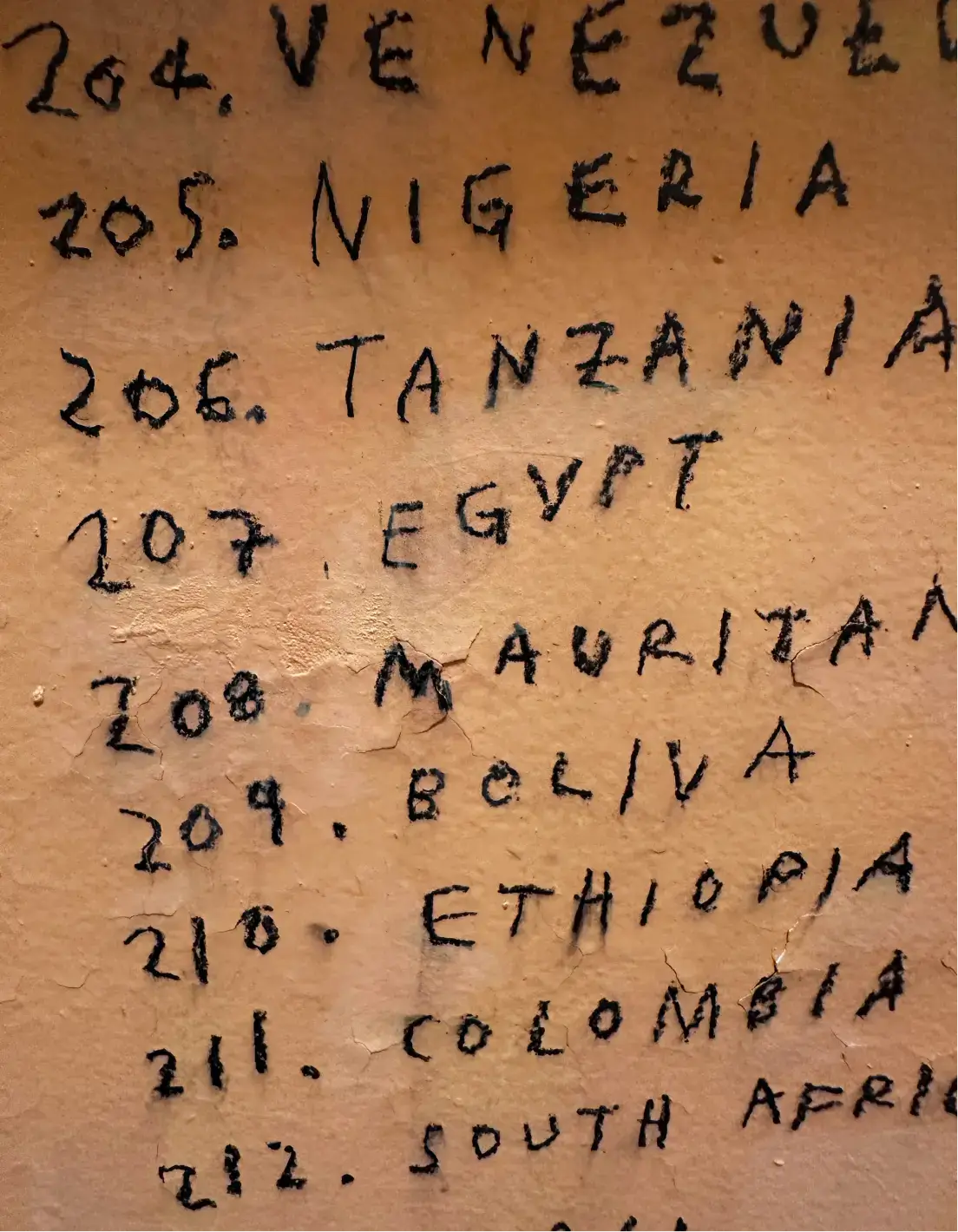
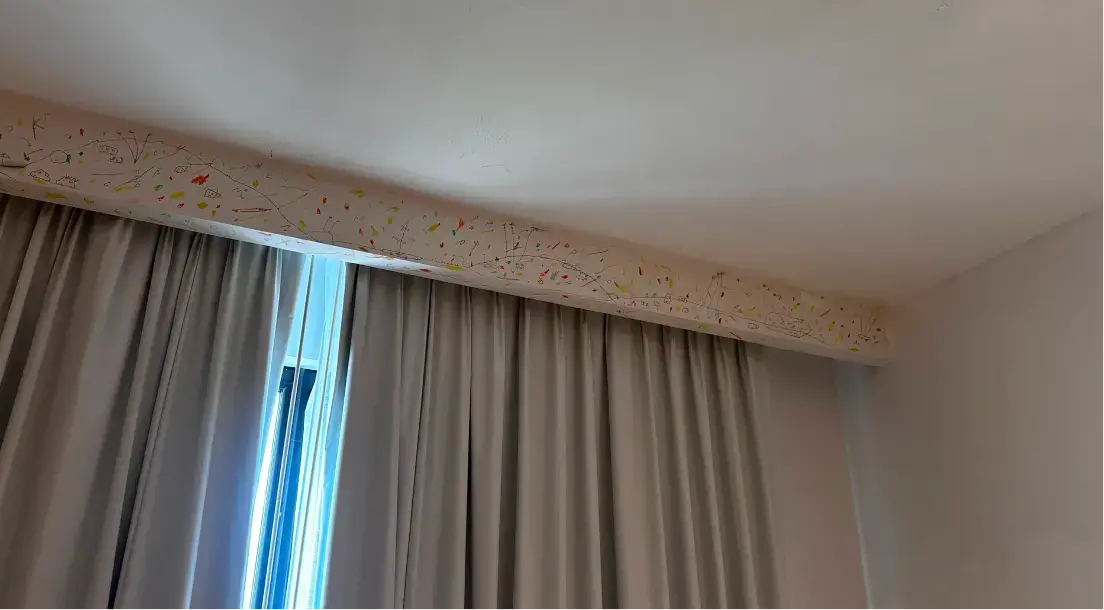
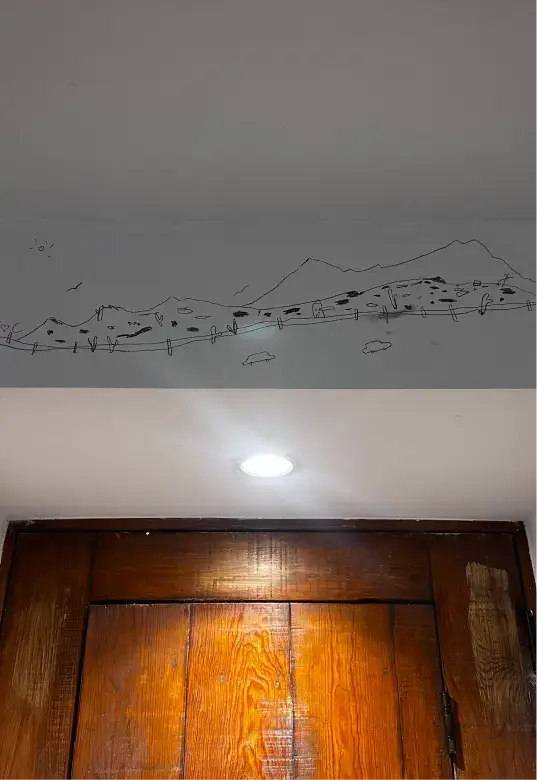
Pedro arrived at El Ganzo with specific intentions, armed with cardboard for initial sketches and an eagerness to fill the expansive walls of his residency room with drawings. The environment became a dynamic canvas, an "open notebook" where he could freely explore and iterate. He engaged in what he described as "action drawing," a vigorous, explorative process that allowed him to experiment and refine his portrayals of various historical figures. Notably, he repeatedly sketched figures such as Henry David Thoreau and Noam Chomsky, using the walls to perfect his technique and conceptualize a puppet of Chomsky. The choice of figures like Thoreau and Chomsky was deeply intentional. Reyes is drawn to personalities who provide philosophical insights—tools for living, understanding the world, and addressing social issues. These figures, including the ancient philosopher Hypatia and other Greek thinkers, were not just subjects of artistic representation but were also integral to Reyes's intellectual and ethical framework. By drawing these figures, Reyes engaged in an act of indexing—each sketch a reminder and a reflection of the ideas contained within his extensive readings in philosophy.
room
intervened by
intervened by
Álvaro Ugarte
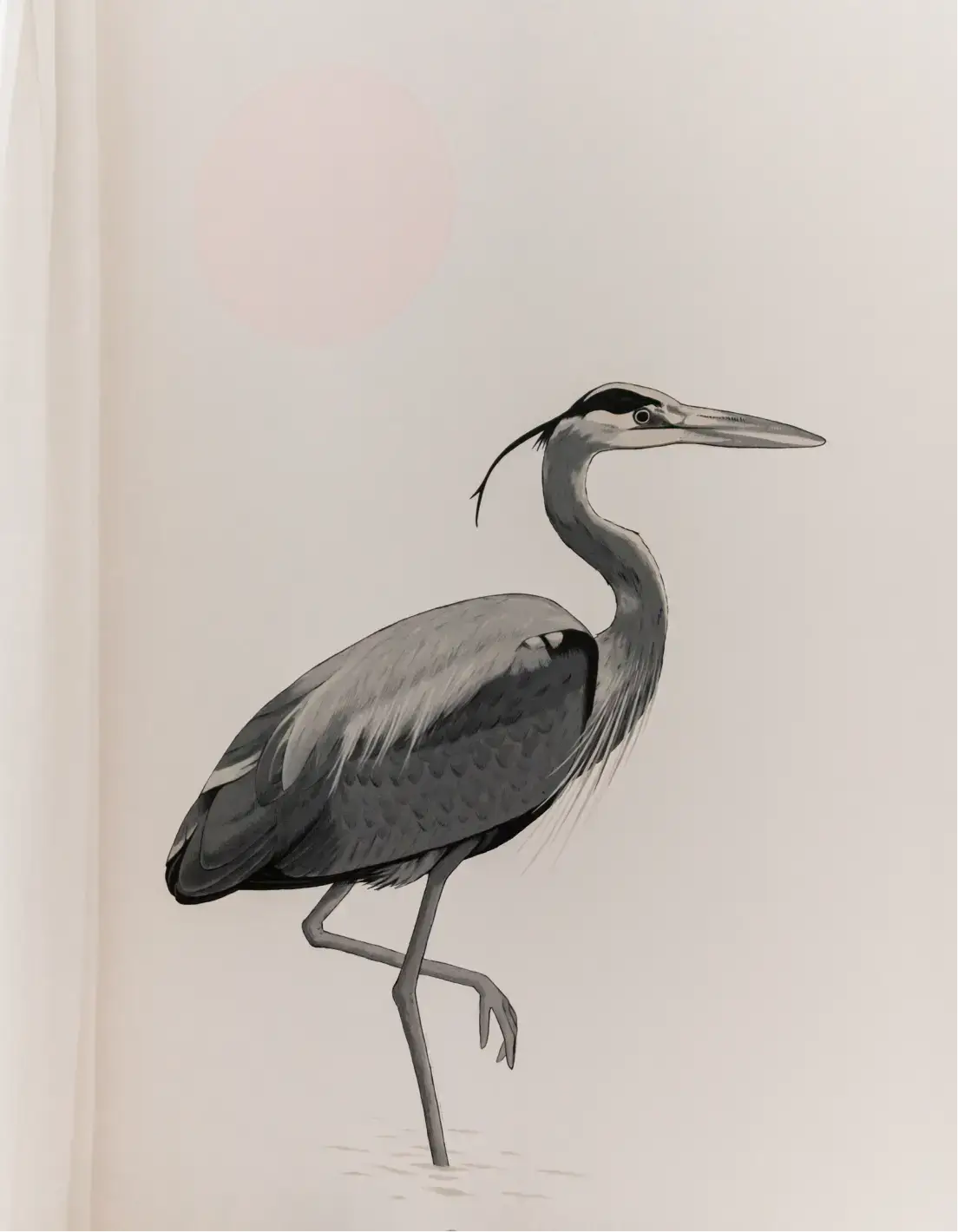
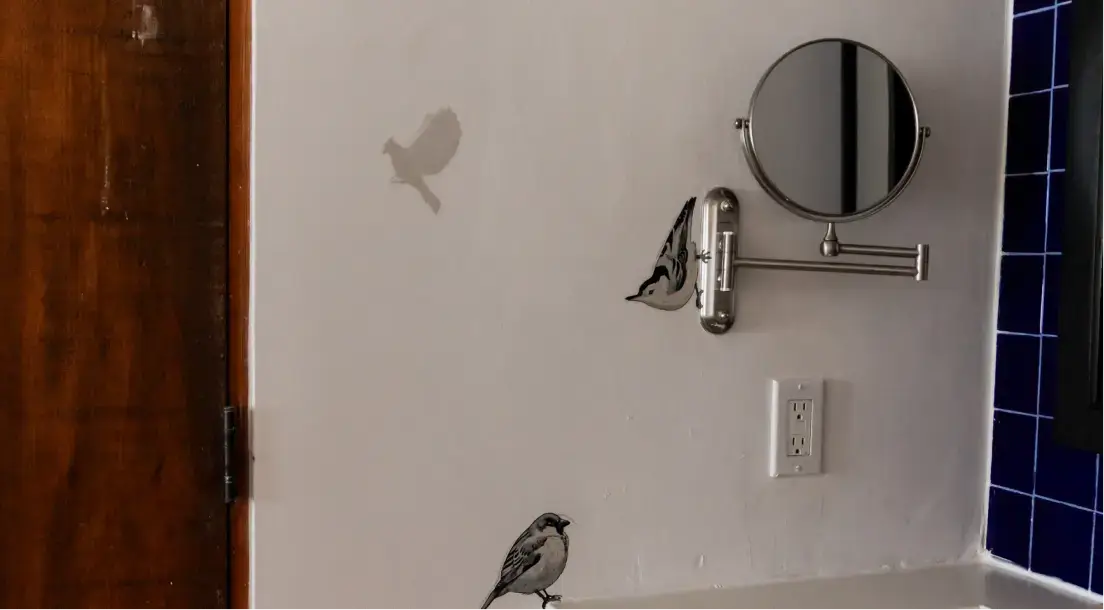
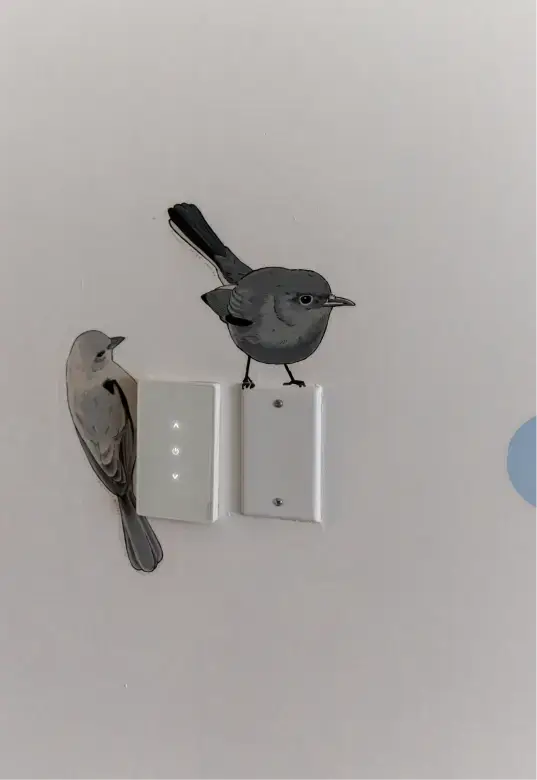
Ana Sofía Chi
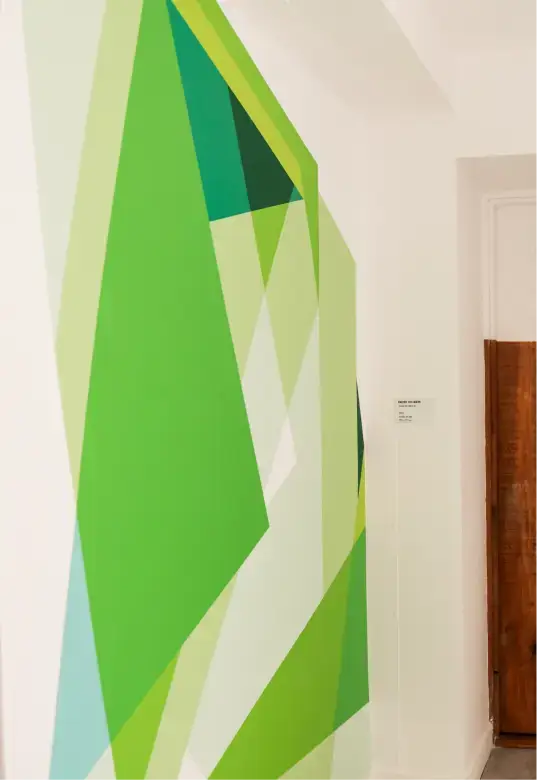
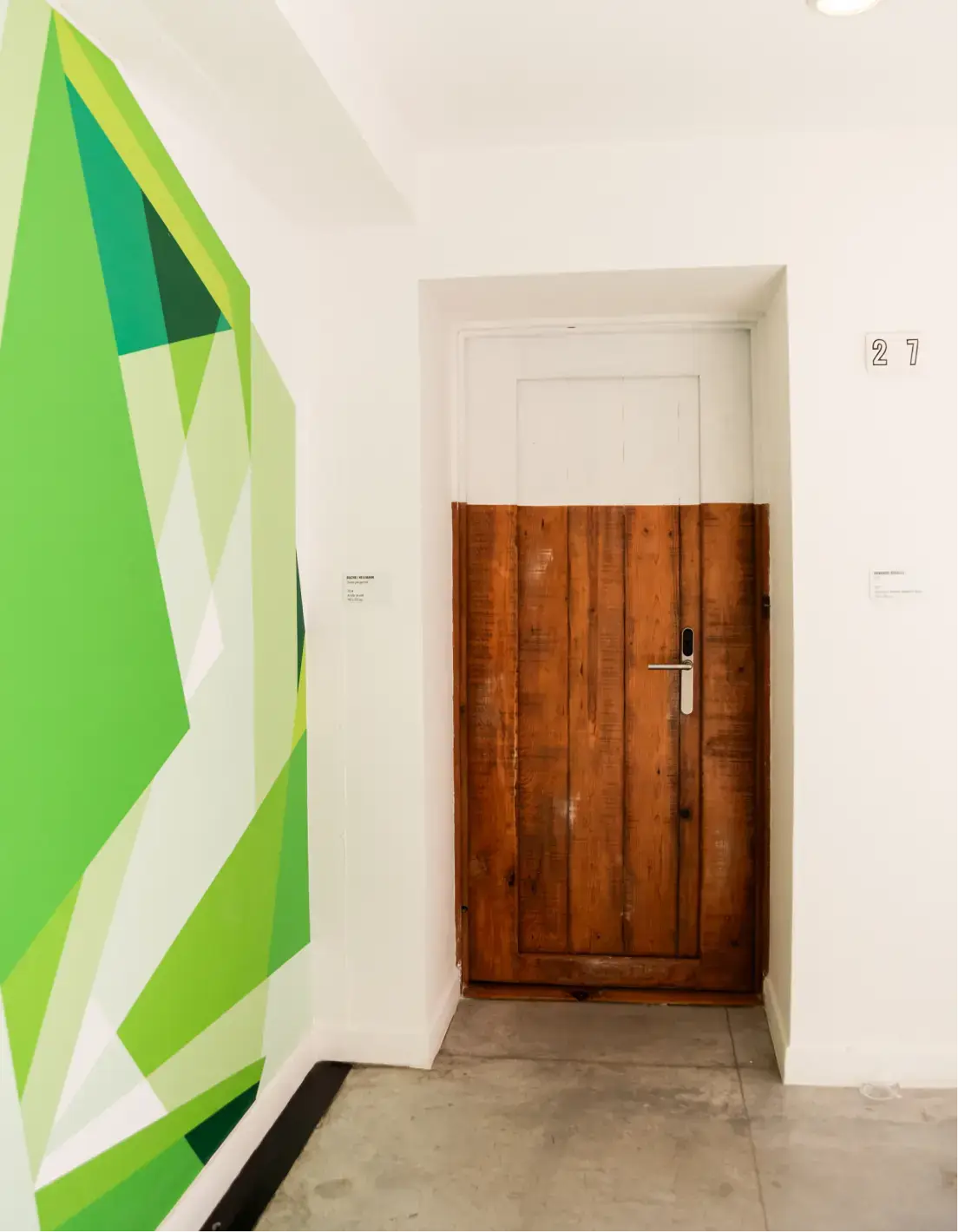
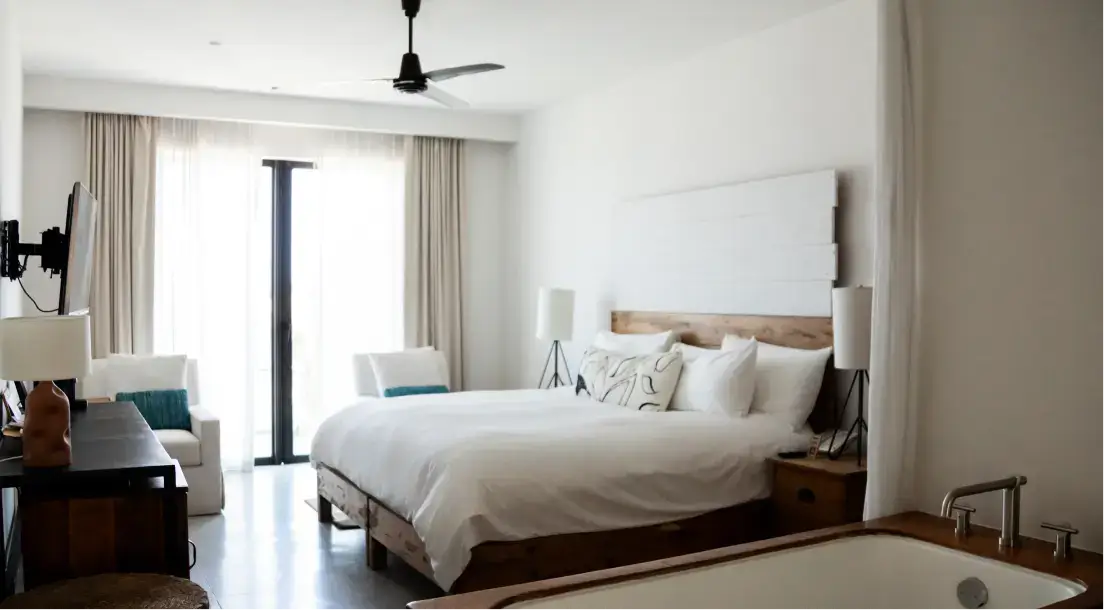
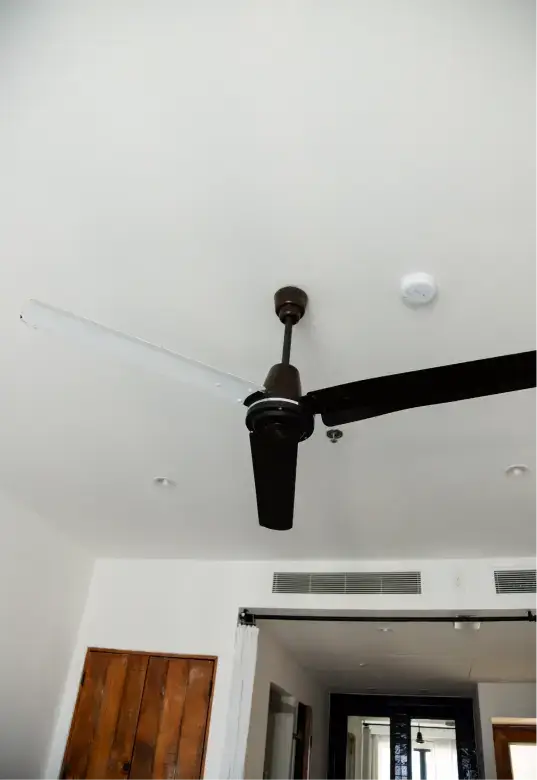
Armando Rosales
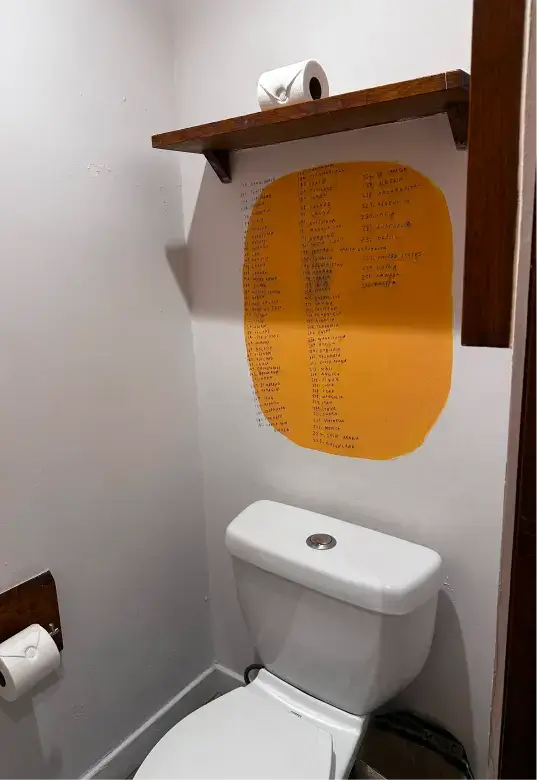
Clara Cebrián



Work
Work Title
Work description short text.
Work Title
Work description short text.
Work Title
Work description short text.
Work Title
Work description short text.
Work Title
Work description short text.
Work Title
Work description short text.
Work Title
Work description short text.
Work Title
Work description short text.
Work Title
Work description short text.
Work Title
Work description short text.

Activities
about el ganzo


